
Why Service & Support Matter in Automation More Than You Think
When manufacturers invest in palletizing or industrial automation, the focus is often on speed, throughput, and ROI. But there’s another factor that quietly determines whether automation succeeds or fails long-term: service and support.
Automation isn’t a “set it and forget it” investment. It’s a living part of your operation—one that must perform reliably under real-world conditions, day after day. The difference between automation that delivers ongoing value and automation that becomes a liability often comes down to how well it’s supported after installation.
Automation That Performs Beyond Day One
At BTB Solutions, service and support are not afterthoughts. They’re built into how systems are designed, deployed, and maintained. From palletizing systems to fully custom automation, the goal is simple: keep production moving and protect the customer’s investment over the long term.
In manufacturing environments, downtime isn’t just inconvenient—it’s expensive. Missed shipments, labor inefficiencies, and disrupted schedules add up quickly. That’s why responsive, knowledgeable automation support matters as much as the system itself.
Real-World Support for Real Production Environments
Automation challenges don’t happen in a vacuum. They happen on busy production floors, during peak shifts, and often when timing matters most. Effective service and support require more than documentation or remote guesswork—they require an understanding of how systems behave in real operating conditions.
BTB Solutions approaches support with a production-first mindset. When issues arise, the focus is on rapid diagnosis, practical guidance, and solutions that minimize disruption. Whether it’s troubleshooting, system adjustments, or performance optimization, the goal is to restore operation quickly and efficiently.
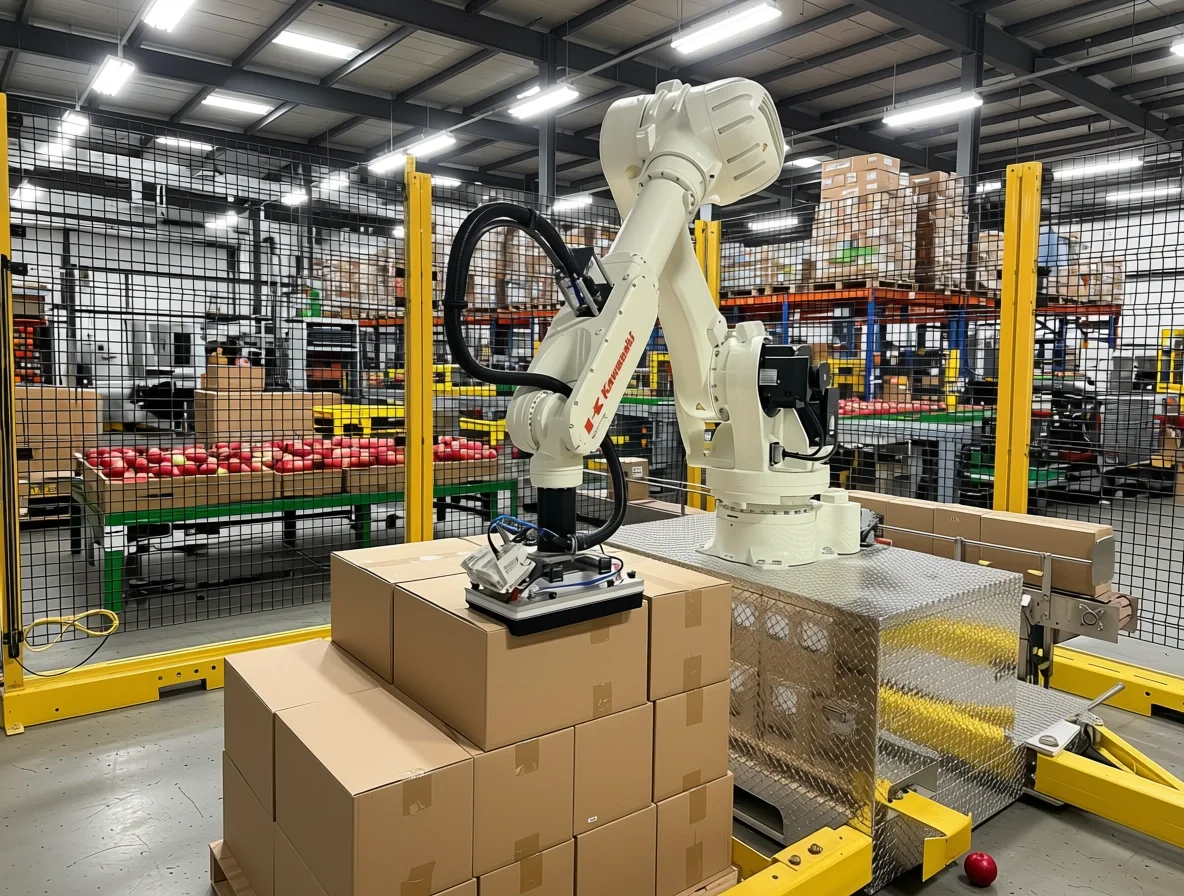
The REAPR Palletizer system from BTB Soultions
Designed for Serviceability from the Start
One of the most overlooked aspects of automation is serviceability. Systems that are difficult to maintain, overly complex, or dependent on proprietary components often create long-term headaches for maintenance teams.
That’s why BTB automation systems are engineered with service in mind. Clean layouts, intuitive interfaces, and accessible components make it easier for teams to maintain equipment, perform adjustments, and keep systems running smoothly. This design philosophy reduces training time, lowers maintenance costs, and extends the useful life of automation equipment.
Support Across the Entire Automation Lifecycle
Service and support don’t begin when something goes wrong—and they don’t end after installation. Effective automation support spans the entire lifecycle of a system.
From startup and commissioning to ongoing optimization, relocation, or expansion, having a knowledgeable partner makes a measurable difference. As production needs evolve, automation must evolve with them. Ongoing support ensures systems remain aligned with changing layouts, new products, and increased demand.
A Partnership Approach to Automation Support
The most successful automation deployments are built on partnership, not transactions. Service and support work best when customers have direct access to people who understand their systems, their production goals, and their operational constraints.
BTB Solutions treats service and support as an extension of its engineering philosophy: practical, responsive, and results-driven. The objective isn’t just to fix problems—it’s to help customers get the most value from their automation investment over time.
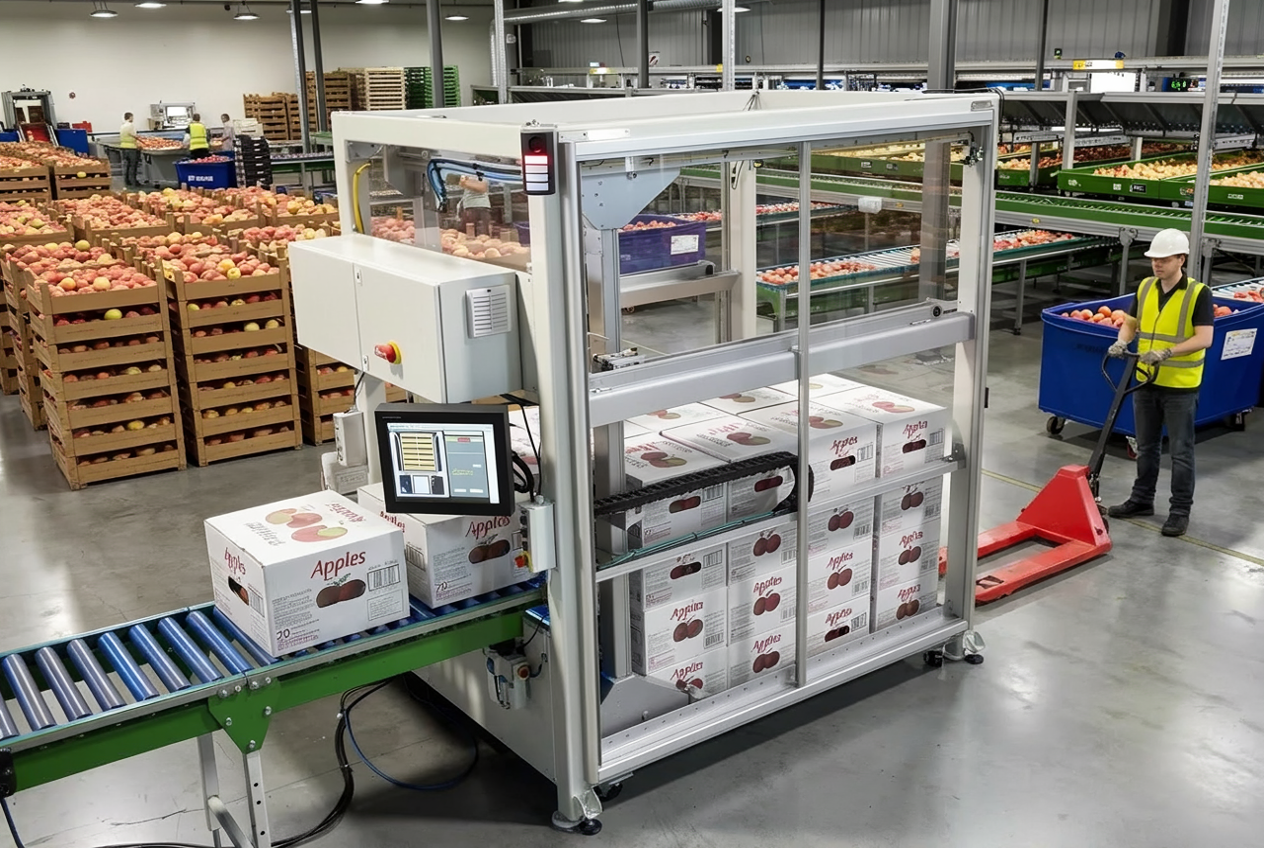
The UNO Palletizing system from BTB Soultions
The Bottom Line: Automation Only Works If It Keeps Working
Automation delivers value only when it’s running reliably. Strong service and support help manufacturers protect uptime, reduce risk, and ensure automation continues to pay dividends long after installation.
When evaluating automation partners, it’s worth asking not just what systems they build—but how they support them once they’re in operation. Because in the end, the true measure of automation success isn’t installation day—it’s every day after.