
How to Identify the Bottleneck in Your Production Line (And Fix It)
If you’ve ever spent any time on a packing or shipping line, you know - every production line has a limit.
Not a theoretical one. A real, physical constraint that determines how much product your facility can move in a given shift.
The problem is, most facilities don’t identify that limit until it’s already costing them.
Throughput slows.
Overtime increases.
Supervisors start “firefighting”.
And by the time the issue is obvious, it’s already impacting output, labor efficiency, and delivery performance.
This is the reality of production bottlenecks.
The question isn’t whether your operation has one.
It’s whether you’ve identified it — and addressed it — before peak demand exposes it.
What Is a Production Bottleneck?
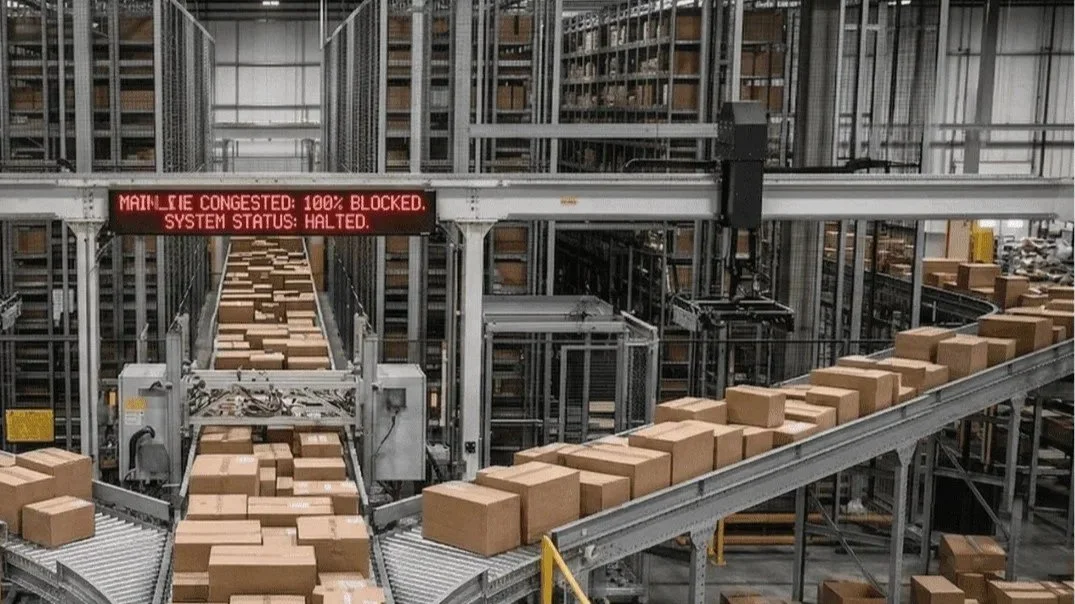
A production bottleneck is the point in your process that limits overall output.
It doesn’t matter how efficient the rest of your operation is.
If one stage runs slower than the rest, everything upstream adjusts to match it.
That’s the ceiling of your production capacity.
Common signs of a bottleneck include:
Work-in-progress (WIP) building up at one stage
Downstream teams waiting for product
Upstream processes slowing or stopping
Increased overtime to meet demand
Missed production or shipping targets
Bottlenecks aren’t always constant.
They often shift depending on product mix, staffing, and demand.
But during peak periods, they become very clear.
Why Bottlenecks Are Often Misdiagnosed
Many facilities assume their bottleneck is:
Labor availability
Machine speed
Product variability
And sometimes that’s true.
But more often, the real constraint is hidden in plain sight — masked by workarounds, extra labor, or process adjustments.
For example:
Adding labor to “keep up”
Slowing upstream processes to prevent backups
Running overtime instead of addressing flow
These aren’t solutions.
They’re ways of absorbing friction.
The Most Overlooked Bottleneck: End-of-Line Palletizing
In many operations, the bottleneck isn’t where you expect.
Sorting, processing, and packaging often receive the most attention.
But the final stage of the line — palletizing — is frequently the constraint.
Why?
Because it’s often:
Labor-intensive
Physically demanding
Dependent on consistency and pace
Expected to “just work”
When palletizing falls behind:
Product backs up on conveyors
Upstream equipment slows or stops
Labor pressure increases
Throughput becomes inconsistent
The last step quietly dictates the performance of everything before it.
How to Identify Your Bottleneck (Step-by-Step)
1. Follow the Flow — Not the Assumptions
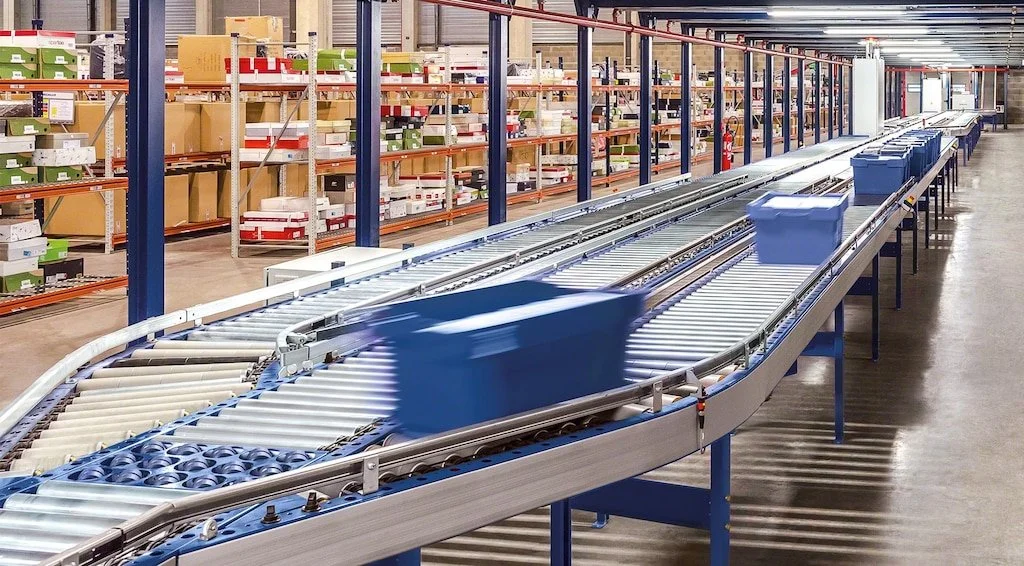
Walk your line during peak production.
Look for where product accumulates or waits.
That’s your first clue.
2. Watch What Happens Under Pressure
Bottlenecks often only appear during:
High-volume runs
Labor shortages
Shift changes
Observe the system when it’s stressed — not when it’s running smoothly.
3. Measure Output by Stage
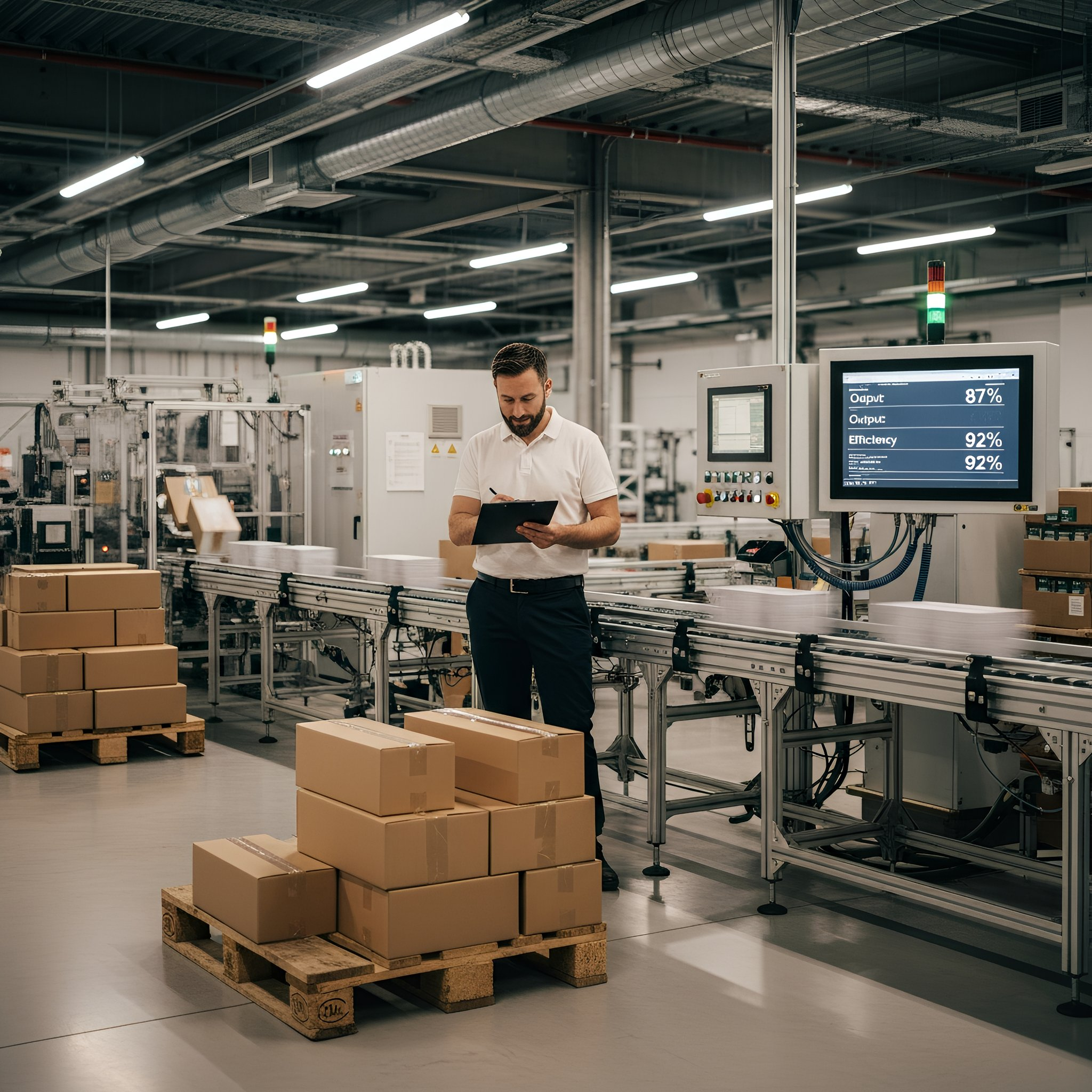
Track:
Units per minute
Cycle times
Downtime frequency
The slowest consistent stage is your constraint.
4. Look for Workarounds
Where are teams:
Adding extra labor?
Adjusting pace manually?
Constantly stepping in to “fix” flow?
Those are signs of friction — and likely your bottleneck.
5. Ask the Floor
Operators and supervisors usually know.
Ask: “Where does the line struggle to keep up?”
You’ll get a direct answer more often than not.
How to Fix a Bottleneck (Without Overhauling Everything)
The goal is not to redesign your entire operation.
It’s to stabilize the constraint.
That often means:
Increasing capacity at the bottleneck
Reducing variability at that stage
Improving consistency and flow
In the case of palletizing, that may involve implementing an automated system that:
Matches upstream throughput
Operates consistently across shifts
Reduces dependence on manual labor
Integrates without major disruption
Solutions like REAPR and UNO are often deployed specifically for this reason — not to automate everything, but to remove the one constraint limiting the system.
Why Fixing One Constraint Changes Everything
When the bottleneck is addressed:
Upstream processes run more efficiently
Labor becomes more predictable
Throughput increases without adding headcount
Supervisors spend less time reacting
Output becomes consistent shift to shift
You don’t need to optimize every step.
You need to fix the one that’s limiting all the others.
The Strategic Advantage of Acting Early
Many facilities wait until peak demand to address bottlenecks.
By then:
Labor is harder to find
Downtime is more expensive
Risk is higher
Identifying and stabilizing your constraint ahead of peak periods allows you to:
Maintain consistent output
Avoid reactive decision-making
Improve profitability during critical windows
Final Thought: The Constraint Sets the Ceiling
Every production line has a maximum output.
That limit isn’t determined by your fastest process.
It’s determined by your slowest one.
If you want to increase throughput, improve efficiency, and reduce operational stress, start by identifying the constraint.
Because once that’s removed, everything else changes.
Related Reading
👉 The ROI of End-of-Line Palletizing Automation in Manufacturing