
What Does a Palletizing System Cost? (And What Actually Drives ROI)
One of the first questions operations teams ask when exploring automation is straightforward:
“What does a palletizing system cost?”
It’s a reasonable question.
But in practice, it’s usually the wrong starting point.
Because palletizing automation isn’t like buying a standalone piece of equipment off a shelf. The right system depends on:
Throughput requirements
Product type
Available floor space
Existing line layout
Level of flexibility needed
Whether the operation runs year-round or seasonally
That’s why palletizing system pricing can vary significantly.
And it’s also why the better question is usually:
“What is the current cost of the problem we’re trying to solve?”
That’s where palletizing automation ROI actually starts.
Why Palletizing System Costs Vary So Much
Two facilities can both say:
“We need a palletizer.”
And require completely different solutions.
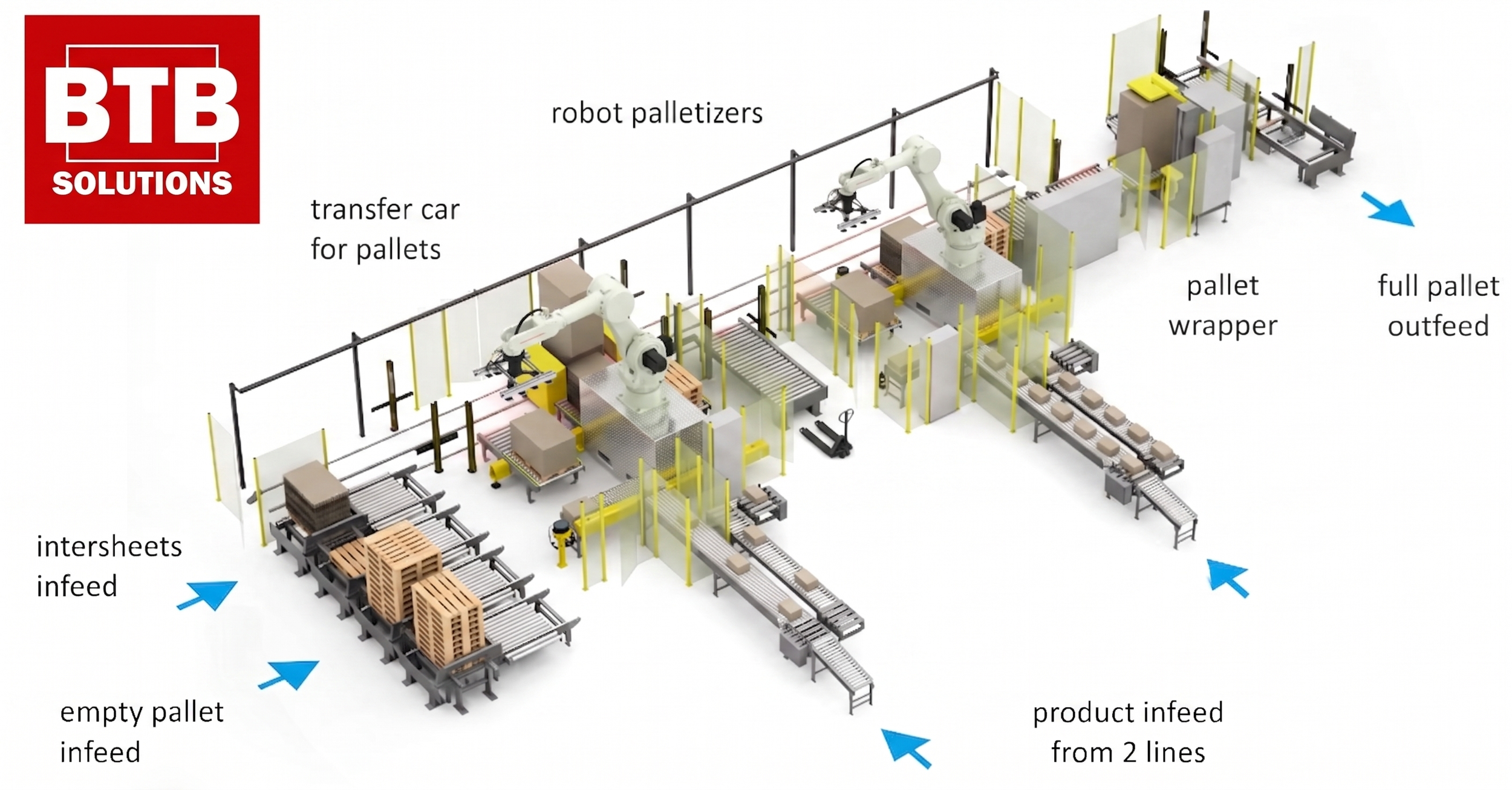
A compact system supporting moderate throughput on an existing line looks very different from a high-volume system handling multiple pallet positions across multiple shifts.
Factors that influence palletizer cost include:
Required throughput
Payload weight
Product type (cases, bags, bundles, etc.)
Number of pallet patterns
Available footprint
Conveyor integration requirements
Safety requirements
Mobility or relocatability
Purchase vs lease vs rental structure
That’s why most experienced operations teams evaluate automation based on operational fit and ROI — not just initial price.
The Hidden Cost of Staying Manual
Manual palletizing often appears less expensive because the costs are distributed across labor, overtime, and operations.
But over time, those costs compound.
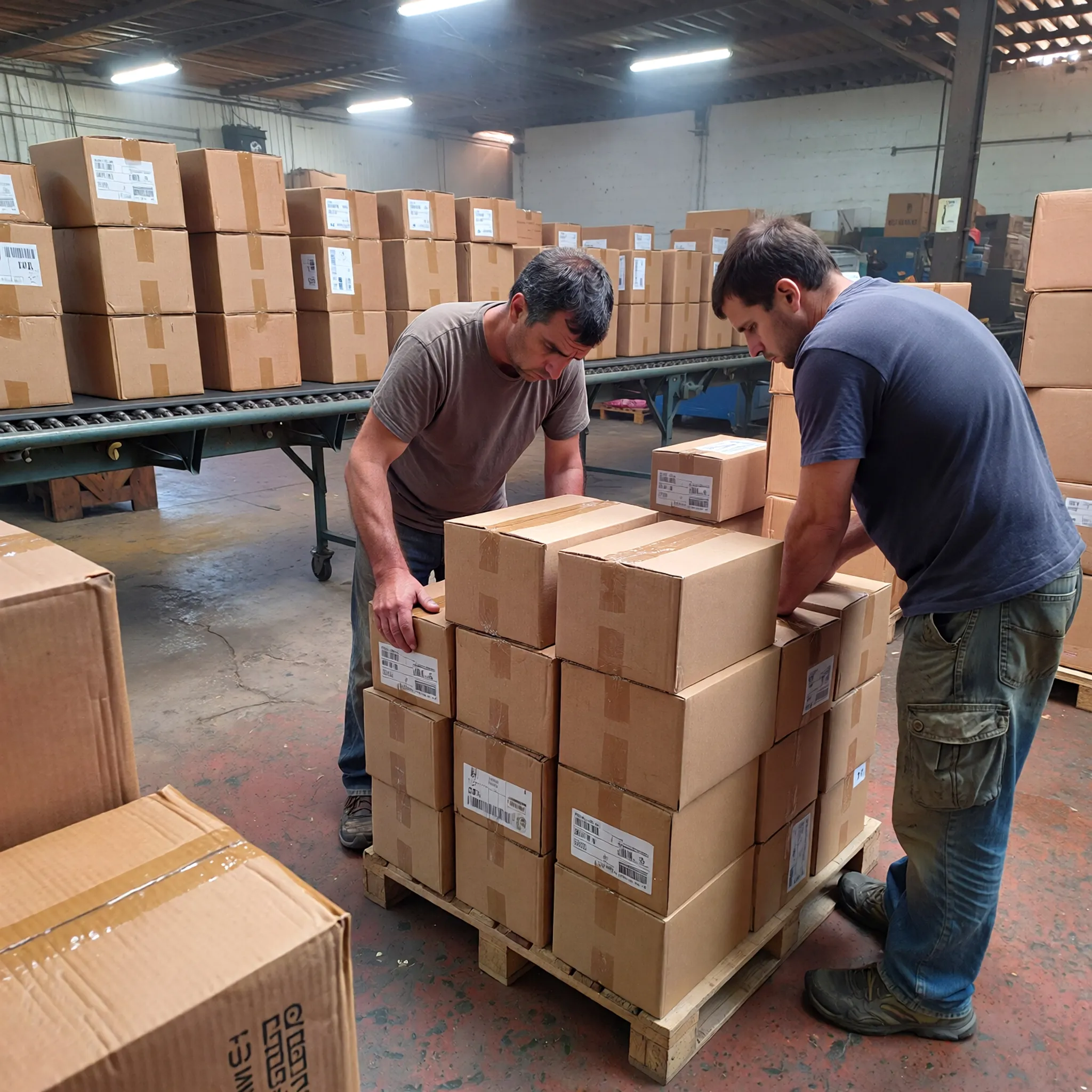
Common manual palletizing costs include:
Multiple palletizing employees per shift
Overtime during high-volume periods
Turnover and retraining
Injury exposure and workers’ compensation risk
Throughput limitations tied to fatigue
Supervisory time spent managing instability
Most facilities absorb these costs gradually, which makes them harder to measure clearly.
Until volume increases.
That’s usually when the bottleneck becomes visible.
What Actually Drives Palletizing Automation ROI?
Palletizing automation ROI rarely comes from one category alone.
It’s cumulative.
The biggest ROI drivers typically include:
Labor Stabilization
Automation reduces dependence on repetitive manual stacking and helps stabilize labor requirements shift to shift.
Throughput Recovery
When palletizing stops falling behind, upstream equipment can operate more consistently.
Overtime Reduction
Peak periods often create significant overtime exposure at the end of the line.
Injury Risk Reduction
Repetitive lifting and manual pallet building create long-term physical strain and injury exposure.
Operational Consistency
Automated palletizing introduces predictable cycle times and repeatable output.
Small gains across multiple categories tend to compound into meaningful ROI.
The Throughput Question Matters More Than Most Teams Expect
One of the biggest misconceptions about palletizing automation is that it’s mainly about reducing labor.
In reality, throughput is often the larger story.
In many operations:
Packaging is dialed in
Processing is optimized
Conveyors are moving
Then palletizing quietly becomes the pace setter for the entire line.
Not because it’s failing.
Just because it can’t consistently keep up under pressure.
When that happens:
Product backs up
Upstream equipment slows
Labor pressure increases
Output becomes inconsistent
That operational drag is part of the ROI equation too.
Not Every Operation Needs the Same Type of System
A common mistake is assuming palletizing automation is one-size-fits-all.
Some operations need:
Compact footprint systems
Mobility and flexibility
Fast deployment into existing lines
Others need:
Higher throughput
Multi-pallet handling
Greater payload capacity
That’s why facilities often evaluate systems differently depending on the application.
Compact systems like UNO are commonly used where simplicity, footprint, and flexibility matter most.
Higher-throughput systems like REAPR are often deployed where sustained production volume and speed become the priority.
The goal is not “maximum automation.”
It’s the right level of automation for the operation.
Purchase Isn’t the Only Path Into Automation
Another major shift in the industry is how facilities approach deployment financially.
For many operations — especially those with:
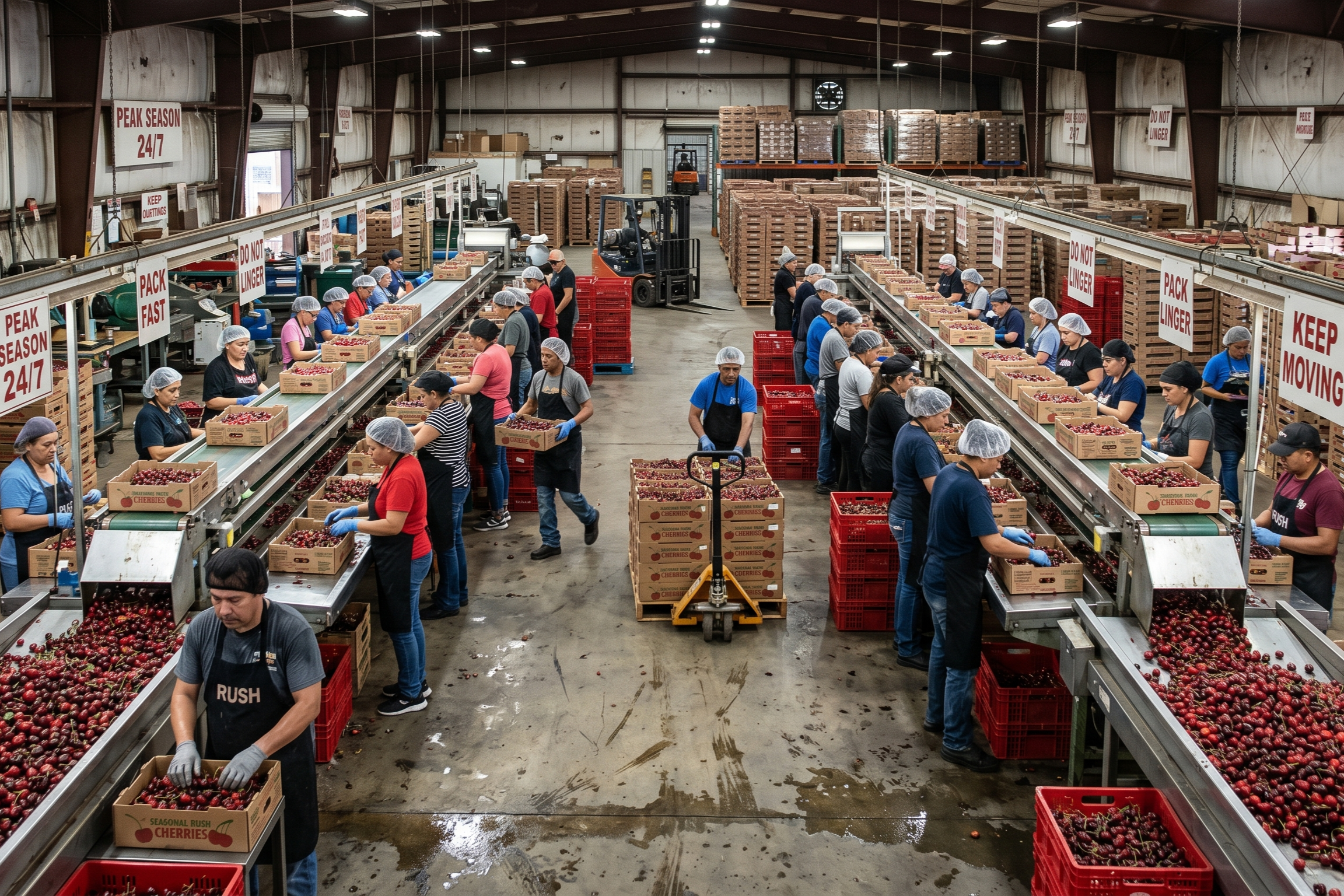
Seasonal demand
Growth uncertainty
Temporary production spikes
Rental or lease structures can make more operational sense than traditional capital purchasing.
That flexibility changes the ROI conversation significantly.
Instead of asking:
“Can we justify owning this long term?”
Facilities can evaluate:
“What would stabilized production during peak periods be worth?”
That’s a very different calculation.
How to Evaluate ROI in Your Own Facility
Instead of starting with equipment pricing, start with exposure.
Ask:
How many labor hours are tied to palletizing annually?
How often does overtime increase at end of line?
Where does throughput slow under pressure?
How often are supervisors reacting instead of optimizing?
What happens during peak demand periods?
That’s where the real math begins.
Because in many facilities, the cost of instability is already substantial — it just isn’t concentrated in one place.
Final Thought: ROI Is About Control
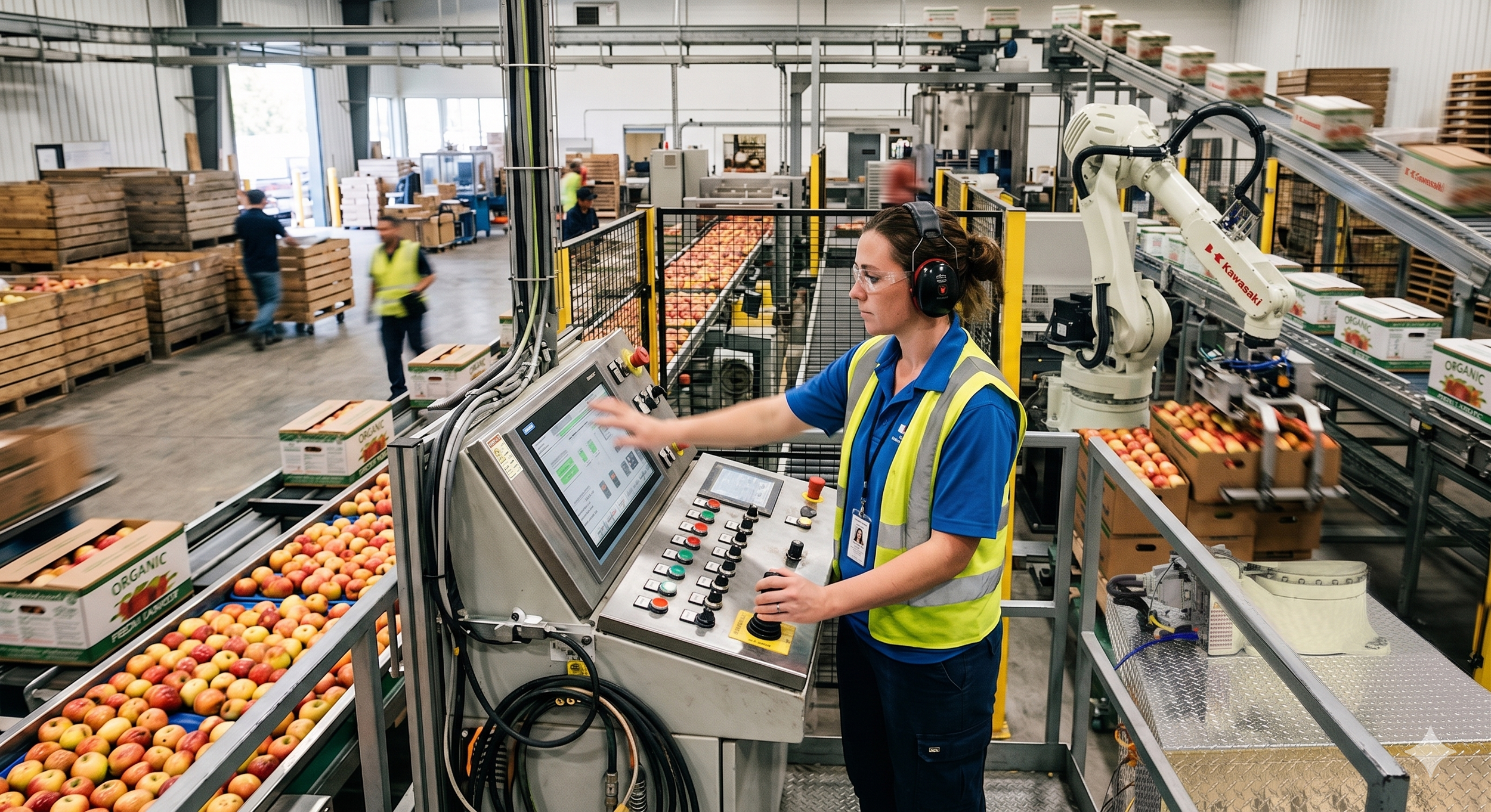
The real value of palletizing automation isn’t just labor reduction.
It’s operational control.
Control over:
Throughput
Pace
Consistency
Staffing pressure
End-of-line stability
That’s why facilities evaluating palletizer cost eventually shift toward a different question: What is predictable output worth to the operation?